The air inside a Brisbane club thick with smoke and tension often tells a clearer story than any dashboard. Watching locals fold a weak hand over a cheap beer, you realise the venue shapes the decision as much as the cards. My work building probability models for slot mathematics at Game Design Automation taught me that edge comes from structure, not hope. That same discipline applies to finding the best casino strategy for poker when you sit down with real money on the line.
Mobile flow matters before the first hand
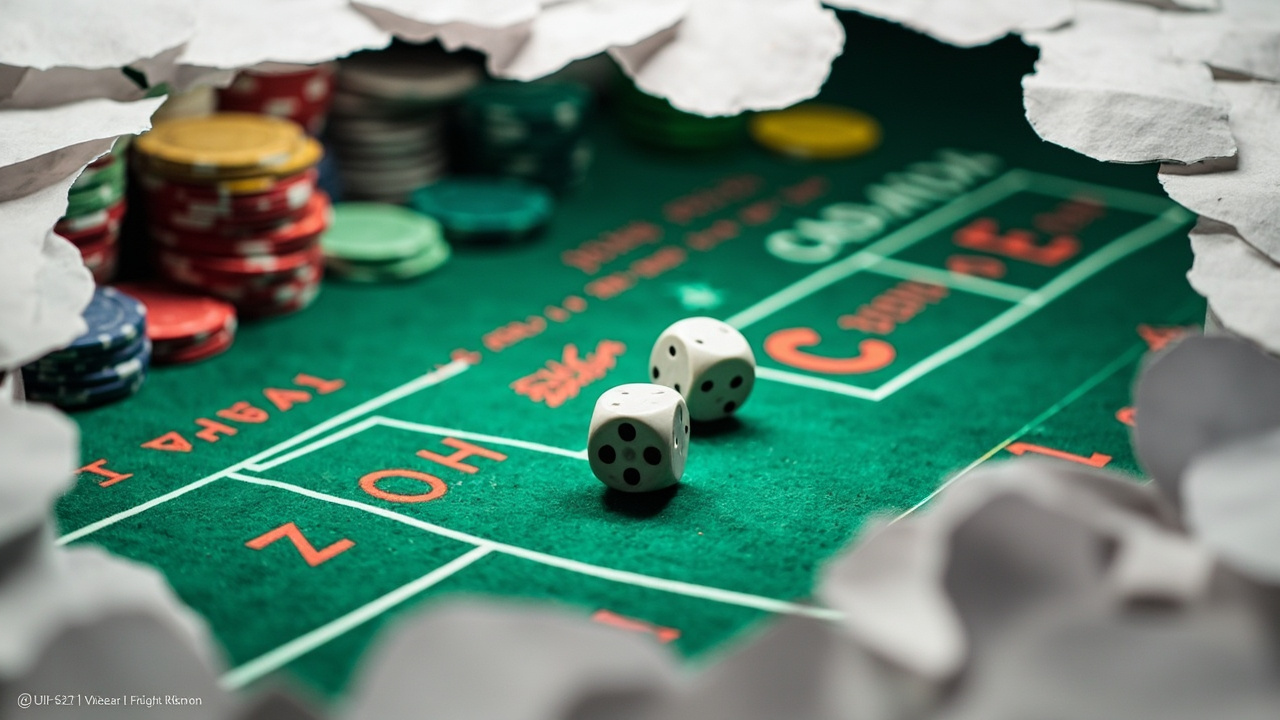
A poker session rarely begins at a desktop anymore, especially when you are squeezing in a few hands between shifts or during a long arvo. The best casino strategy for poker starts with a platform that loads tables quickly and keeps the action readable on a phone screen. Responsive design should resize the betting controls without hiding the community cards, and navigation must stay intuitive when you are moving between cash games and tournaments. Performance drops on slow connections can cost you a pot just as surely as a misread hand. When I model complex slot mathematics, I see how tiny latency spikes distort expected value calculations, and the same logic applies to live betting decisions. Players should test the browser experience first, checking that menus respond instantly and that the table layout does not require constant zooming. A clean mobile fit removes friction so you can focus on position and pot odds instead of fighting the interface. You can compare a few platforms side by side at https://goldenbetnodeposit.com to see how different setups handle that mobile-first requirement before you commit any funds.
Player fit shapes the table selection
Different players need different table rhythms, and the right fit depends on your bankroll tolerance and time horizon. A casual player chasing low-variance action should look for tables with capped bets and slower blind structures, while a regular who studies ranges wants deeper stacks and tighter opponents. The best casino strategy for poker is never a single rigid routine, because the environment changes the maths behind every decision. I build simulation tools that show how rule variations shift house exposure, and I apply that same thinking to poker by matching your style to the right table limits. A tight player will struggle on a loose, high-roller table just as a loose aggressor will bleed chips in a passive, fold-heavy game. Registration should be straightforward, with clear currency settings in Australian dollars so you are not guessing at conversion rates mid-session. Payment options need to settle quickly and display transparent limits, because waiting on a withdrawal while the blinds keep rising ruins the experience. Loyalty programmes can add value if they reward volume without pushing you into higher stakes than you intended. Grace Clarke, Marketing Director, Top End Gaming Advisory, notes that “players who match their table selection to their actual risk comfort tend to stay sharper for longer sessions.” Pick the format that fits your schedule and your edge, not the one that looks busiest.
Oversight and payment clarity protect the session
Not every platform runs under the same level of scrutiny, and the difference shows up in how bonuses are worded and how withdrawals are processed. Rogue offshore sites may operate without meaningful oversight, which means bonus terms can shift, currencies can convert poorly, and support can vanish when you need it most. The best casino strategy for poker includes checking that bonus mechanics are spelled out in plain language, with wagering requirements that do not quietly trap your deposit behind impossible turnover targets. A reputable operator will display clear payment currencies, reasonable deposit limits, and a support channel that responds during Australian hours. Abigail Baker, Board Member, Laneway Interactive Media, warns that “when terms are buried or currencies are mismatched, the player is carrying the risk, not the house.” You should verify that registration asks for the right details without demanding unnecessary personal data, and that the loyalty tier structure rewards consistent play rather than pushing you toward higher stakes you did not choose. Regional Queensland players often notice these gaps first, because local clubs and regional venues set a higher bar for transparency than some distant operators. Treat the fine print as part of the game, because a bonus that looks generous can quietly erode your edge if the terms are stacked against you.
Reading the room and managing your edge
Poker rewards patience and position more than any single lucky draw, and the discipline to fold a marginal hand is what separates steady players from churned accounts. The best casino strategy for poker is built on bankroll control, table selection, and the willingness to step away when the rhythm turns against you. I spend my days modelling probability curves for slot mathematics, and the same principle holds here: expected value only matters if you can survive the short-term swings without chasing losses. A solid session plan sets a stop-loss limit, defines the stakes you are comfortable with, and keeps the focus on decisions rather than outcomes. Mobile play should support that discipline by making it easy to track your results and switch tables without losing your place. When the interface is clean and the terms are clear, you can spend your attention on reading opponents and managing pot odds instead of second-guessing the platform. Good poker is a study in restraint, and the right environment simply lets that restraint do the work.
Choose a platform that respects your time, your currency, and your bankroll, then let the actual play do the talking. The right fit keeps the maths working in your favour and the distractions out of the way.